

New season
Dressed quietly.
Worn often.
A small collection of everyday essentials made from natural fibres. Each piece is chosen for how it feels against the skin, how it moves with the body, and how naturally it fits into daily life.
Shop the collectionSelected Natural Fibres
Each one has a character of its own.

Cashmere
Soft, light, and quietly warm. Care varies by garment — see each product's care label.

Golden Cashmere
Undyed cashmere in its natural golden tone — soft, lightweight, and worn close to the skin.

Wakayama Cloud Cotton
A fluffy cotton-blend fleece knitted in Wakayama — thick but light, with a cloud-like handfeel.

Alpaca
Soft, airy, and warm for its weight, with a gentle natural character.

Washable Silk
Smooth, fluid, and refined — wash care subject to each product's care label.

Long Staple Cotton
Cotton spun from longer staple fibres for a smoother, more even yarn and a softer surface.
The collection
View all
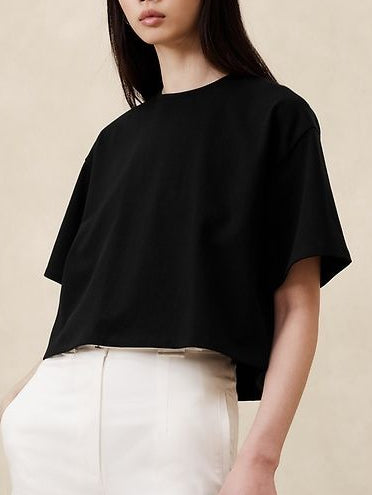

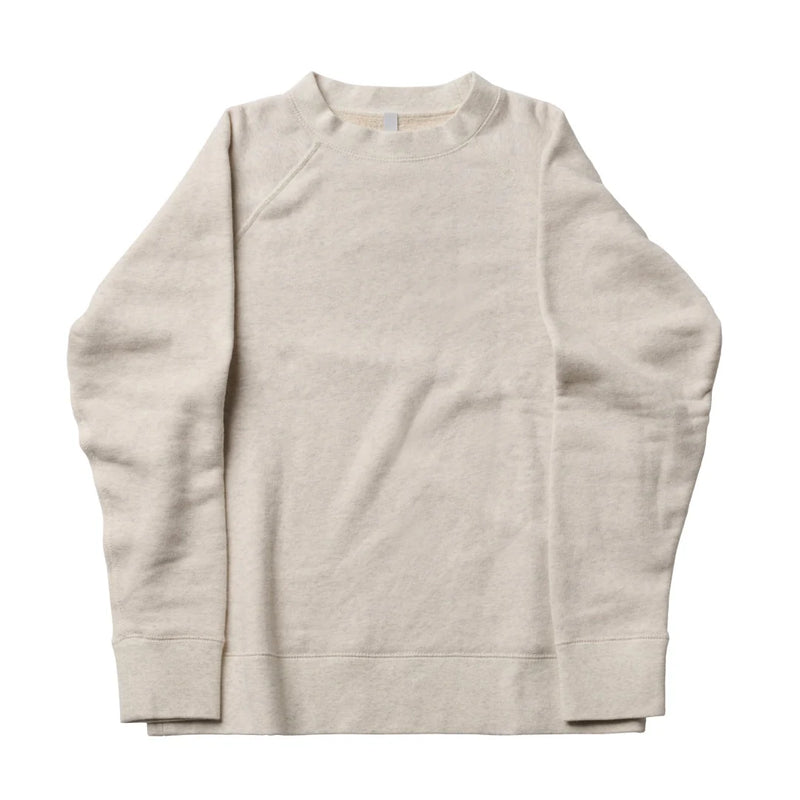

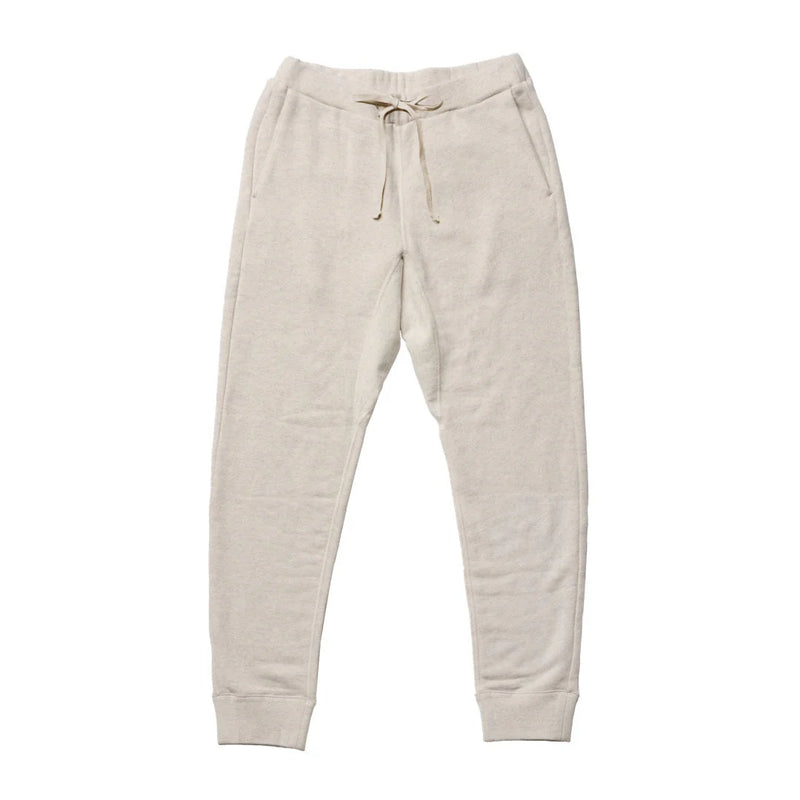

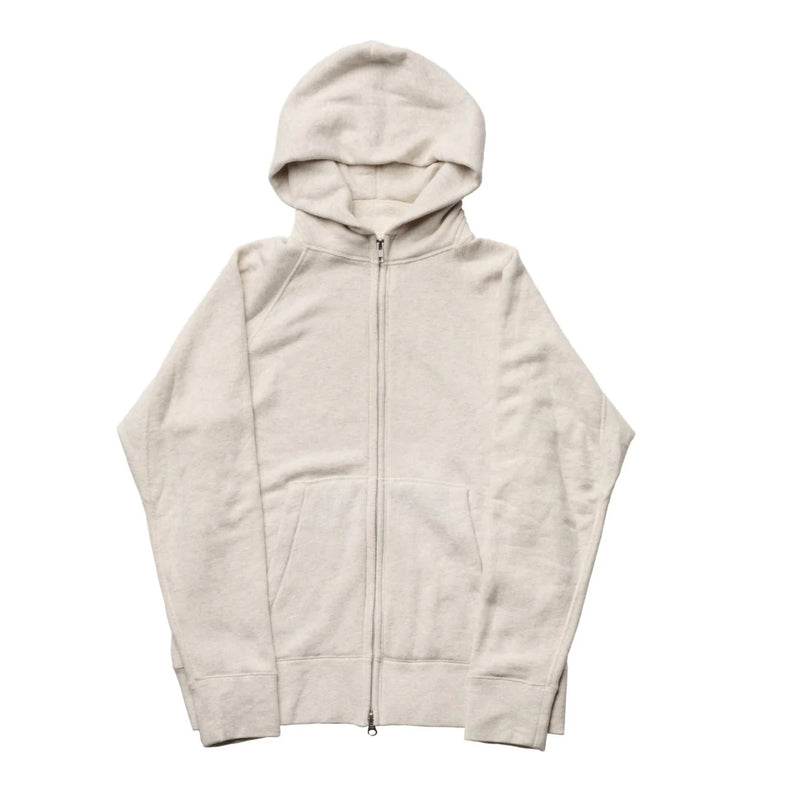
Shop by Category


Materica
MATERICA is material picked by Erica.
It began with a lifelong habit: touching fabrics, trying on clothes, comparing how cotton, silk, cashmere, wool, and other natural fibres feel against the skin. From my earliest memories on Mercer Street to decades of shopping, wearing, testing, and sometimes regretting far too many clothes, I have spent an unreasonable amount of time thinking about material. Materica is my own focused line of essentials, developed from that experience. Each piece starts with one question: what is the most appropriate material for this garment, and how should it be made so that it feels good, looks refined, and makes the wearer feel quietly better? The goal is simple: natural materials, carefully chosen; shapes that are comfortable but flattering; pieces that feel good to touch, easy to wear, and considered enough to become part of everyday life.
Explore MatericaKnowledge on material, construction, and care.
All articles
What Makes a Simple Garment Worth More?
Two T-shirts, same silhouette, both 100% cotton. One costs ¥1,500 and one costs ¥20,000. This note explains where the...

Haramaki: The Japanese Belly Warmer, Material Blends, and Quiet Craftsmanship
The haramaki is a Japanese abdominal warmer with a specific function and a surprisingly considered material story. Th...

Why I Prefer Natural Fibres — and When Polyester Still Has a Place
Most of the Mercer St. collection uses natural fibres. This note explains why — and where synthetics still have a gen...

Washi as Clothing: How Japanese Paper Becomes a Wearable Fibre
Washi is Japanese paper fibre — and in the Washi Knit Sneaker Socks, it is the majority component. This note explains...

How to Read a Care Label — and Actually Follow It
Care labels are legally required on most garments — and mostly ignored. This note explains how to read the five care ...

Wool Quality Explained: What Makes Wool Feel Smooth
"Merino" is not a guarantee of softness. This note explains what wool grading actually means, why fine-average merino...
mercer
LATINmerxgoods, wares
OLD FRENCHmerciertextile merchant
ENGLISHmercerdealer in fine cloth
ALSOmercerizationcotton finishing — John Mercer, 1844
THE NAME
mercer
From the Old French mercier, a dealer in fine cloth. A person who understood material before anything else.
Where we come from